
Concussion and POST-Concussion Syndrome (PCS)
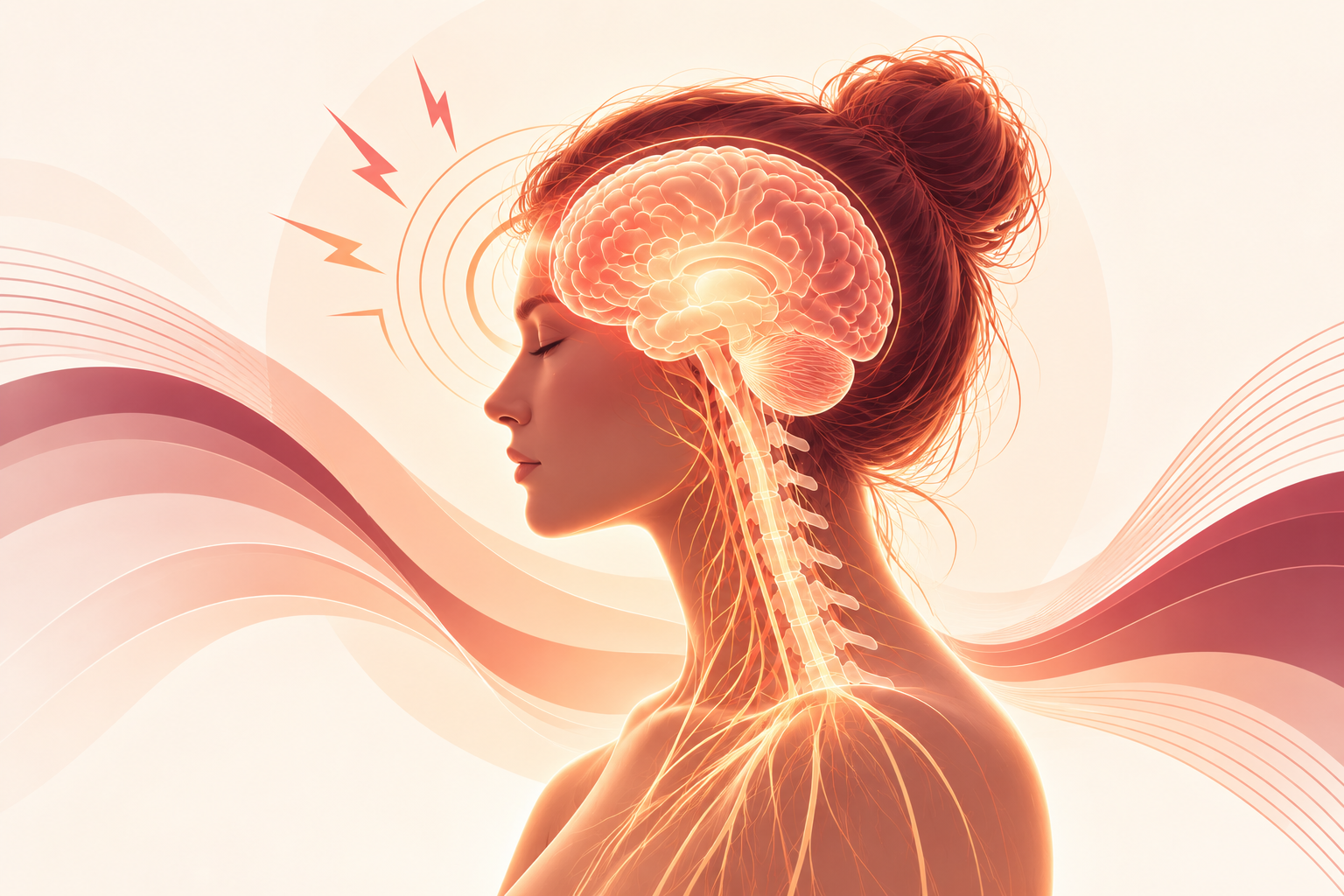
Understanding concussions and PCS
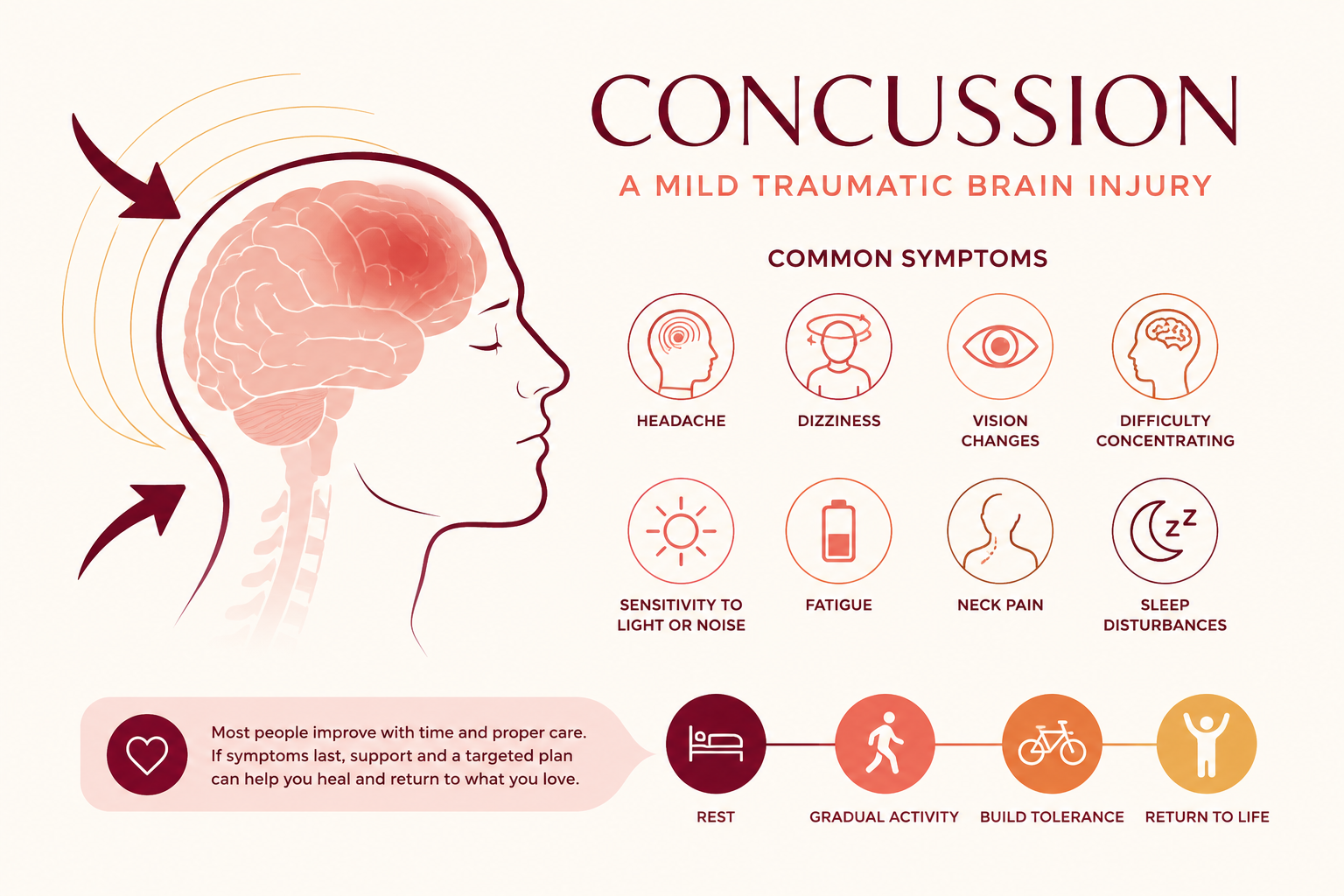
A concussion is a mild traumatic brain injury that can temporarily change how the brain and nervous system function. While concussions are often associated with sports or a direct blow to the head, they can also occur from falls, car accidents, whiplash, or other forces that rapidly move the head.
Symptoms can look different from person to person and may include headaches, dizziness, nausea, fatigue, difficulty concentrating, sensitivity to light or noise, balance problems, vision changes, sleep disturbances, neck pain and difficulty tolerating physical activity.
For many people, symptoms gradually improve with appropriate recovery and a progressive return to activity plan. When symptoms persist longer than expected, they may be referred to as Post-Concussive Syndrome (PCS). Ongoing symptoms may involve several overlapping systems, including the vestibular, visual, cervical, autonomic, and musculoskeletal system.
How can Physical Therapy Help
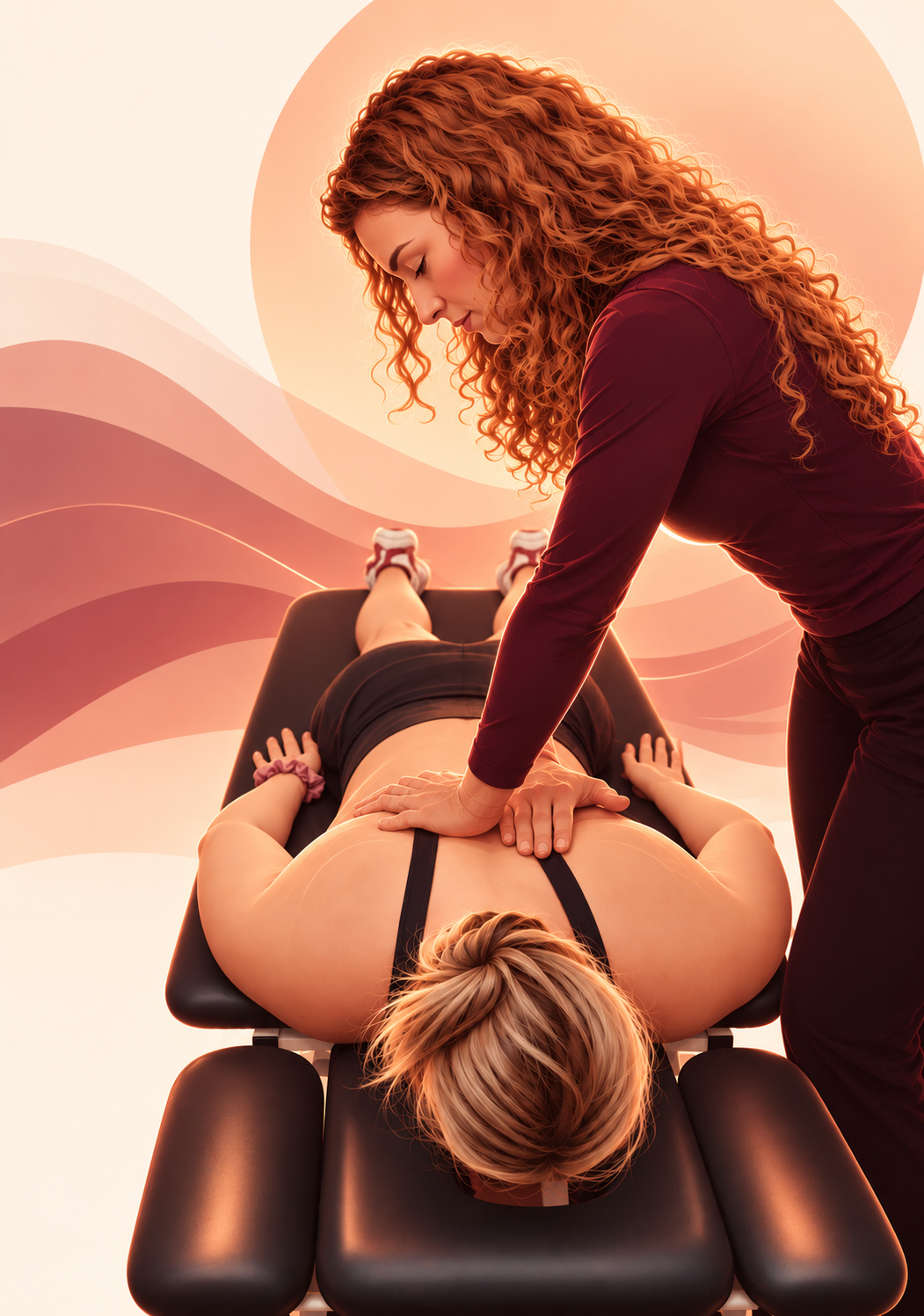
Physical therapy can play an important role in concussion recovery by identifying and treating the specific systems contributing to ongoing symptoms. Because every concussion is different, treatment is individualized and may address dizziness, balance problems, vision and eye tracking difficulties, and changes in the autonomic nervous system.
Treatment may include vestibular rehabilitation, oculomotor exercises, cervical spine treatment, balance and coordination training, graded cardiovascular exercises and progressive return to daily activities, work, school, or sport. The goal is to gradually build tolerance to activity, reduce symptoms, and help you safely return to the activities that are important to you.